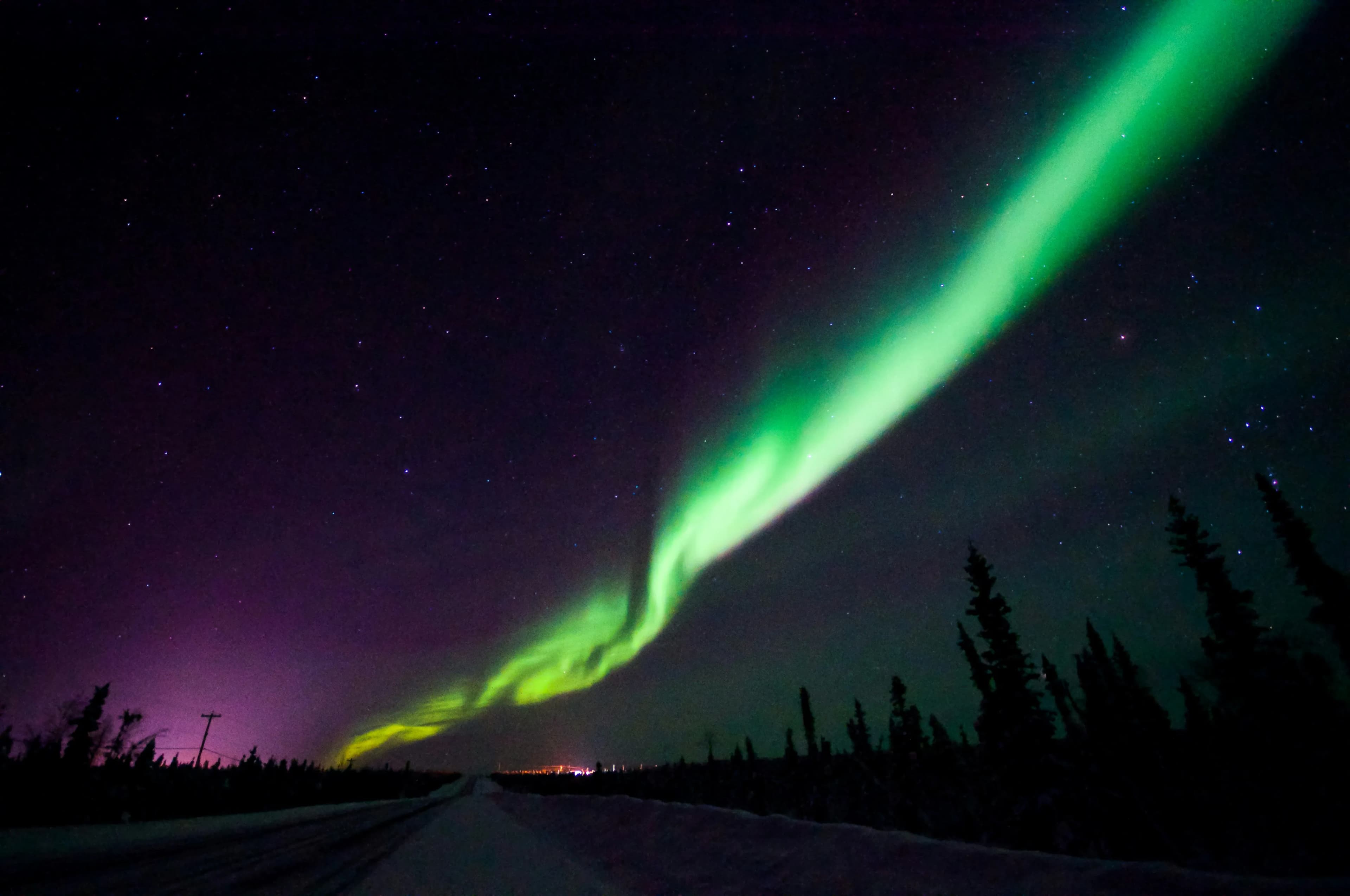
Finnish Lapland has been building its aurora reputation quietly for years. Glass igloos, reindeer farms, and surprisingly clear skies make it the most comfortable aurora destination in Scandinavia.
Finnish Lapland has been doing something interesting over the last decade: turning aurora tourism into an experience that doesn't require hardship. While Norway and Sweden offer spectacular landscapes, Finland has built extraordinary accommodation — glass-roofed aurora cabins, bubble rooms, treehouse suites — that let you lie in a warm bed watching the lights through a transparent ceiling. It's aurora viewing for people who don't want to stand in −20°C for two hours, and it's legitimately brilliant.
But Finland isn't all cosy cabins and hot chocolates. It also has genuinely dark skies, reasonable aurora probability, and some of the most interesting winter activities in the Arctic: reindeer sleigh rides, husky safaris, snowshoeing under birch forests, and the surreal experience of crossing the Sámi lands by snowmobile at night.
Rovaniemi — The Gateway to Lapland
Rovaniemi sits almost exactly on the Arctic Circle at 66.5°N — literally, the circle runs through the city's airport. It's the capital of Lapland, the best-connected city in the region (direct flights from Helsinki take 75 minutes), and home to Santa Claus Village, which brings enormous tourist volumes. The Santa angle means infrastructure is excellent: transfers, tours, and accommodation are well-organised even for first-time visitors.
For aurora specifically, Rovaniemi needs KP 2 or above. The city itself has light pollution, but driving 15–20 km north or east puts you in proper dark sky. The Ounasvaara hill on the edge of the city gives a reasonable elevated position without much driving. Many hotels run nightly aurora minibus tours to dark spots — a convenient option if you don't want to self-navigate.
Levi — Ski Resort and Aurora Hub
Levi at 67.8°N is Finland's largest ski resort, set on a fell (treeless hill) that gives 360-degree views above the tree line. The ski slopes face north and provide an open sky horizon that works well for aurora watching after the lifts close. Several accommodation providers have aurora viewing platforms or glass-roofed suites on the fell itself.
The combination of skiing by day and aurora chasing by night makes Levi a popular choice for those who want more than just the lights. February is the peak month — snow conditions are excellent, days are getting longer (making skiing more pleasant), and aurora activity is statistically high. The airport at Kittilä, 15 km away, receives regular charter flights from the UK and Germany during ski season.
Saariselkä — The Darkest Option
Saariselkä sits at 68.4°N — further north than Rovaniemi and Levi — and is the most authentically wilderness Lapland destination of the three. The village is small, surrounded by Urho Kekkonen National Park, and the dark sky here is genuinely impressive. Several aurora cabin resorts are set up specifically for northern lights watching, with glass walls and aurora wake-up alerts.
The trade-off: getting here requires either a domestic flight to Ivalo (the closest airport, 20 km away) or a long drive north from Rovaniemi. But if you're here primarily for aurora and wilderness, rather than ski infrastructure or proximity to Santa, Saariselkä rewards the extra effort.
Glass Igloos: The Finnish Aurora Experience
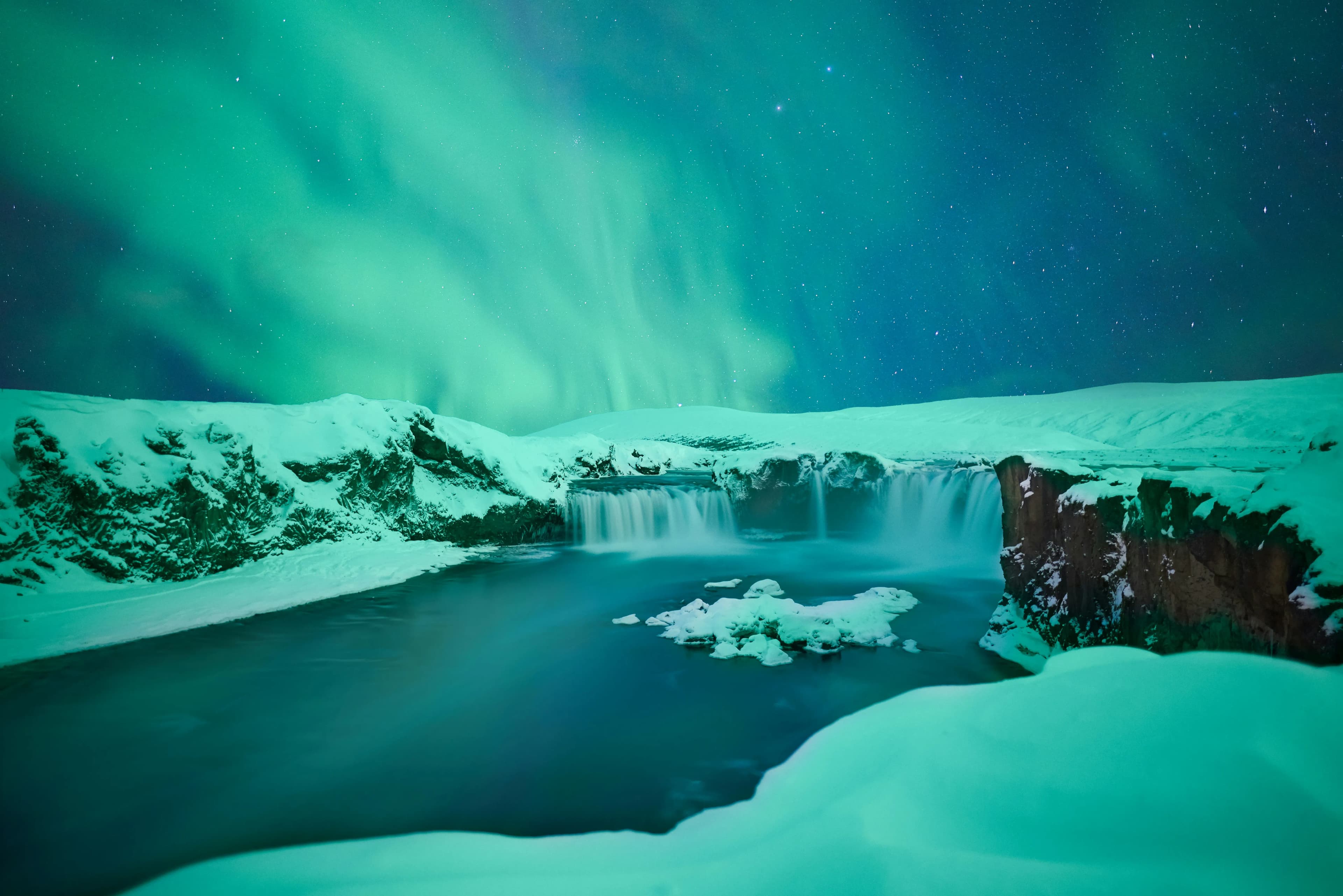
The glass igloo concept — a small heated room with a transparent thermal glass roof — originated in Finland and has been widely copied across Scandinavia. The original Arctic Igloos at Kakslauttanen, near Saariselkä, remain some of the most popular and most photographed. Lying in a warm bed watching green curtains drift across the sky above you, without ever having to put on boots, is a fundamentally different aurora experience.
Practical note: thermal glass prevents most condensation but can still fog in very cold conditions. And the aurora visible through glass is slightly less dramatic than with the naked eye outdoors — the glass filters some light. Many guests do both: watch from bed, then go out for 20 minutes when it gets active. Book at least six months ahead for prime winter dates.
Best Time to Visit Finnish Lapland for Aurora
The full aurora season runs from late August through March. Polar night (no sun at all) arrives in Saariselkä around December 5 and lasts until January 8. The prime travel window is October through March — October for autumn colours and mild conditions, November through January for deep darkness, and February through March for the combination of good aurora statistics and an improving temperature.
Finland's aurora probability is comparable to Norwegian coastal destinations, with the added advantage of its interior position reducing some of the cloud cover that plagues the Norwegian coast. Cloud statistics are not as good as Abisko in Sweden, but better than Tromsø — a reasonable middle ground.
Frequently Asked Questions
Check the live Northern Lights forecast on PolarForecast — KP index, solar wind, cloud cover, and viewing probability updated in real time.
Check live forecast →