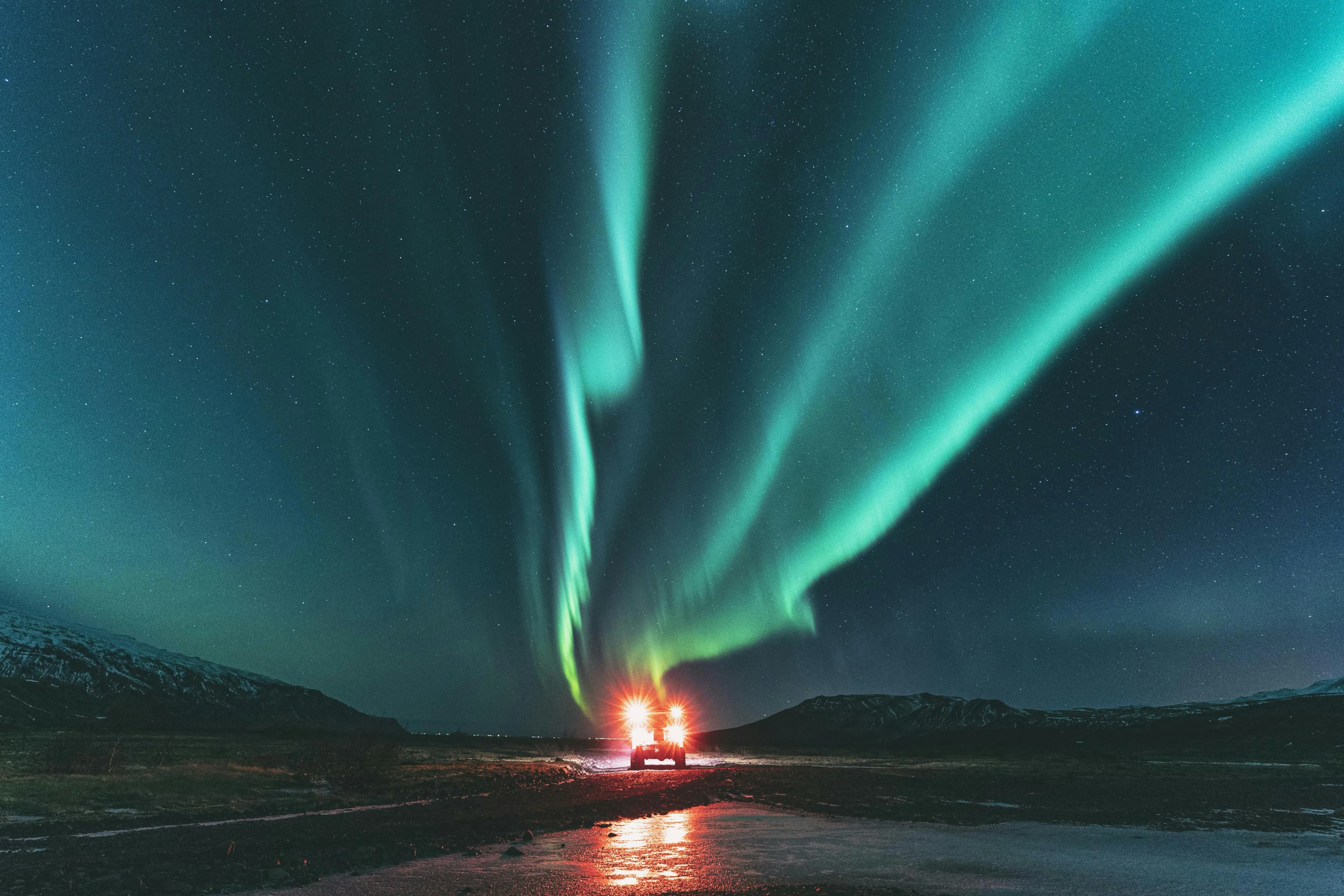
Abisko has a secret weapon: a blue hole of clear sky that appears even when the rest of Scandinavia is clouded over. Here's where to stand when it opens.
Abisko is small — a village of a few hundred people sitting on the southern shore of Lake Torneträsk in Swedish Lapland, 200 km above the Arctic Circle. But its reputation among aurora chasers is enormous, and for good reason. The mountains surrounding the lake create a microclimate that produces a reliable patch of clear sky — locals call it the blue hole — that can persist even when cloud cover blankets Tromsø and Kiruna. If you've planned a week in northern Scandinavia and can only commit to one spot, Abisko is the argument for Sweden over Norway.
Here are the five spots around Abisko that consistently produce the best aurora experiences.
1. Aurora Sky Station — The Mountain Top Observatory
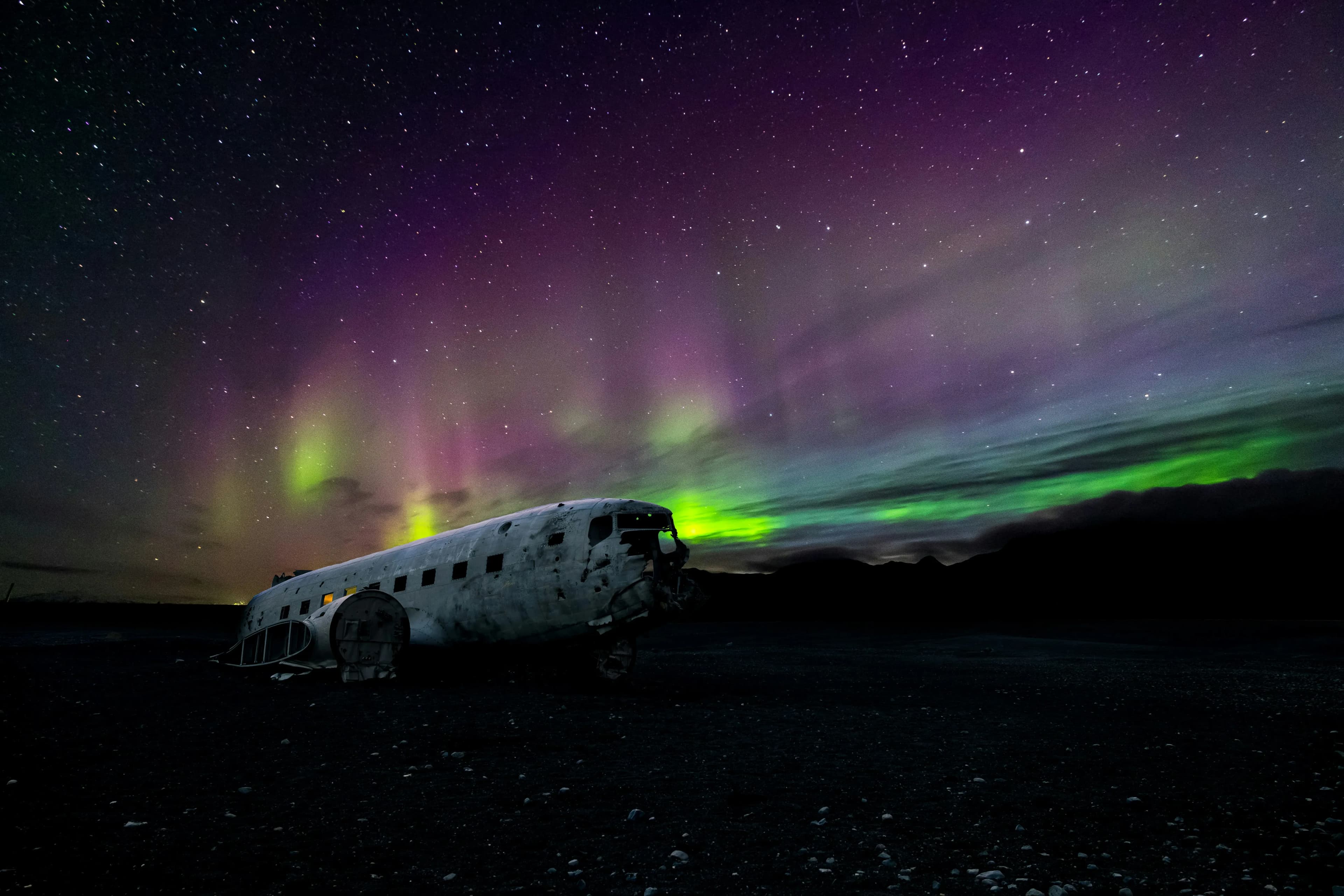
A chairlift carries visitors 900 metres up Mount Nuolja to Aurora Sky Station, Sweden's dedicated aurora observation facility. The station sits well above the tree line, above any valley-level cloud, and offers a 360-degree view over Lake Torneträsk to the south and mountains to the north. Warm indoor viewing rooms, a restaurant, and guides make this the most comfortable aurora viewing experience in Scandinavia.
The station only operates when aurora probability is high — they check the forecast and don't run trips on nights with low KP and heavy cloud. This means if you get up there, conditions are usually worth it.
Book Aurora Sky Station well in advance — it fills up weeks ahead in peak season (November–February). It's not cheap, but the combination of expert guides, warm facilities, and the elevated vantage point makes it genuinely worth the cost.
2. Lake Torneträsk Shore — Wide Open Dark Horizon
The southern shore of Lake Torneträsk, directly accessible from the Abisko tourist station, gives you a vast flat horizon to the south and north with almost no artificial light. The lake is 70 km long and up to 10 km wide — on calm nights the aurora reflects perfectly in the water. This is the spot most people default to if they're not going up the chairlift, and it delivers consistently.
Walk 10 minutes west of the tourist station along the shore to get beyond any residual glow from the buildings. In February and March, ice extends from shore and the frozen surface makes for a different kind of image — aurora above and the fractured ice below.
3. Abisko Canyon — Dramatic Foreground
The Abisko River cuts a canyon through the landscape just south of the village, and the canyon walls create a dramatic enclosed foreground for aurora photography. Access is straightforward — the national park trail starts at the tourist station and reaches the canyon in about 20 minutes of walking. In winter the river freezes and you can walk on the ice.
The canyon orientation means you're looking roughly north with steep walls framing both sides — when aurora fills the sky above the canyon, the effect is theatrical. Less exposed to wind than the lakeshore, which matters at −25°C.
4. STF Abisko Mountain Station — The Base Camp Approach
Staying at the mountain station itself gives you the flexibility to walk out at 2 AM when the sky unexpectedly clears. The station grounds and the flat area between the buildings and the lake are dark enough for good viewing. You don't need to go far — just out of the door, let your eyes adjust for five minutes, and look north.
Aurora chasers repeatedly report that staying at the station and being able to respond instantly to clearing skies produces better results than day trips from Kiruna or Narvik, where you're dependent on transport timing.
5. Björkliden — The Quieter Alternative Nearby
Six kilometres west of Abisko along the lake shore, the small ski resort of Björkliden sits at slightly higher elevation with similar blue-hole microclimate benefits. The ski slopes face north and give open sky views over the lake. Outside of ski hours, the pistes are dark and deserted — a large, flat, unlit area perfect for aurora watching.
Björkliden also has accommodation options if Abisko tourist station is full, and it's served by the same Narvik–Kiruna train line that passes through Abisko.
The Blue Hole: What It Is and How to Use It
The mountains surrounding Lake Torneträsk — particularly the Nuolja massif — force incoming Atlantic weather systems to drop their moisture before reaching the lake basin. This creates a statistically drier and clearer microclimate directly over Abisko and Björkliden, even when Tromsø, just 100 km west, is overcast. Research by the Swedish meteorological institute has confirmed the effect with long-term cloud-frequency data.
The practical upshot: Abisko is clear on nights when Tromsø is not, and vice versa. If you're planning an aurora trip and can be flexible, tracking cloud forecasts for both locations and being prepared to take the overnight train between them is a well-known strategy among serious chasers.
Frequently Asked Questions
Check the live Northern Lights forecast on PolarForecast — KP index, solar wind, cloud cover, and viewing probability updated in real time.
Check live forecast →